
HEALING OUR ISRAELI WOMEN VETERAN HEROES WHO SERVED ON THE FRONT LINES
by B’shvil HaMachar (Path to Tomorrow)




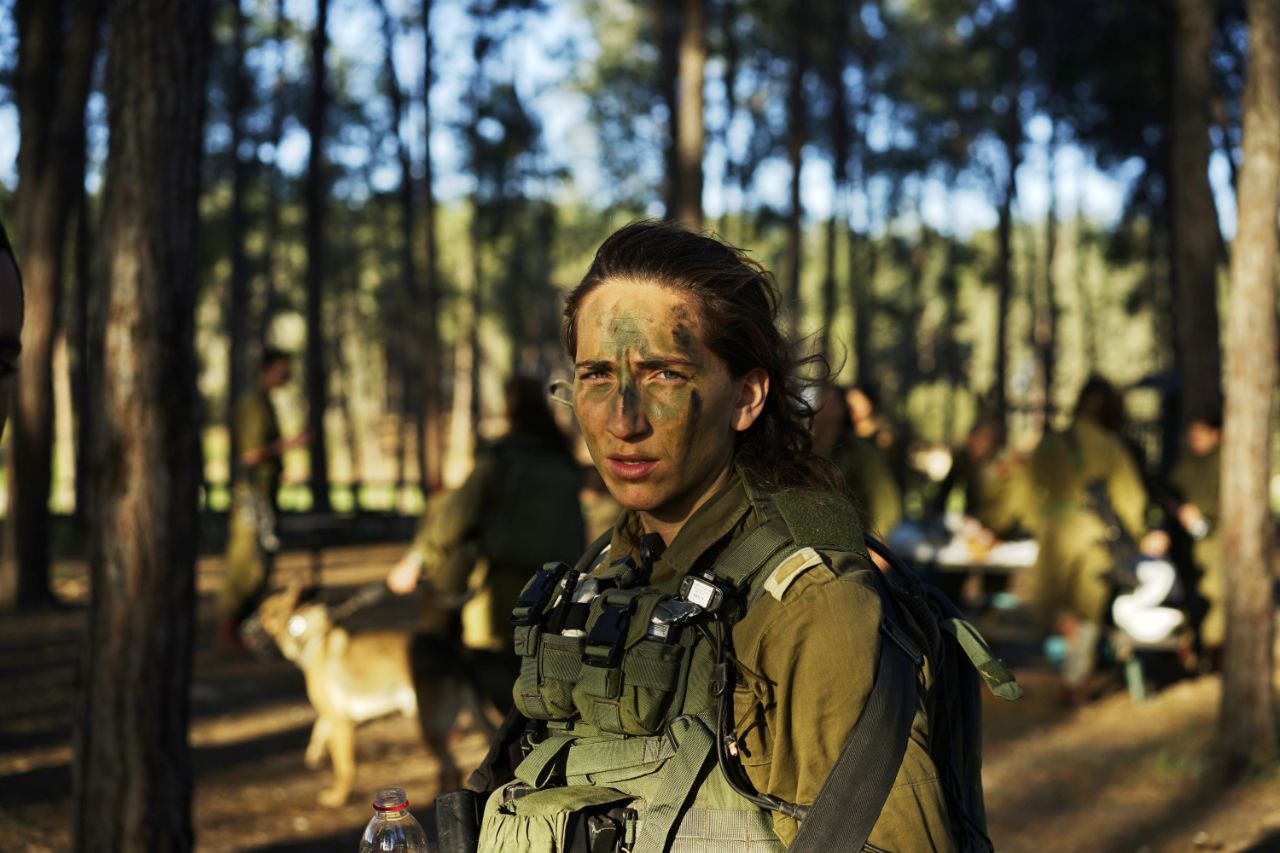
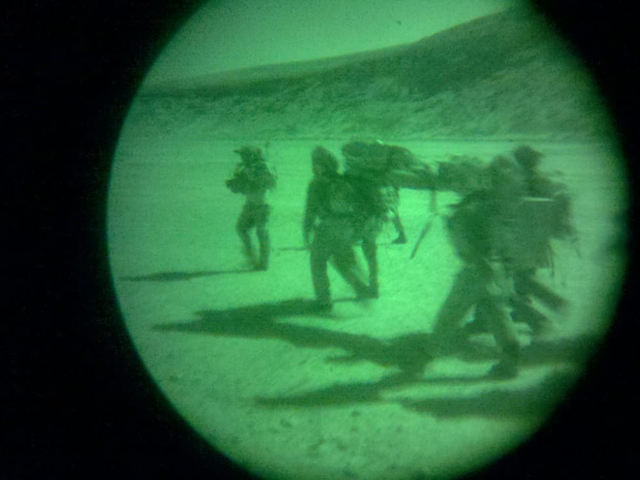
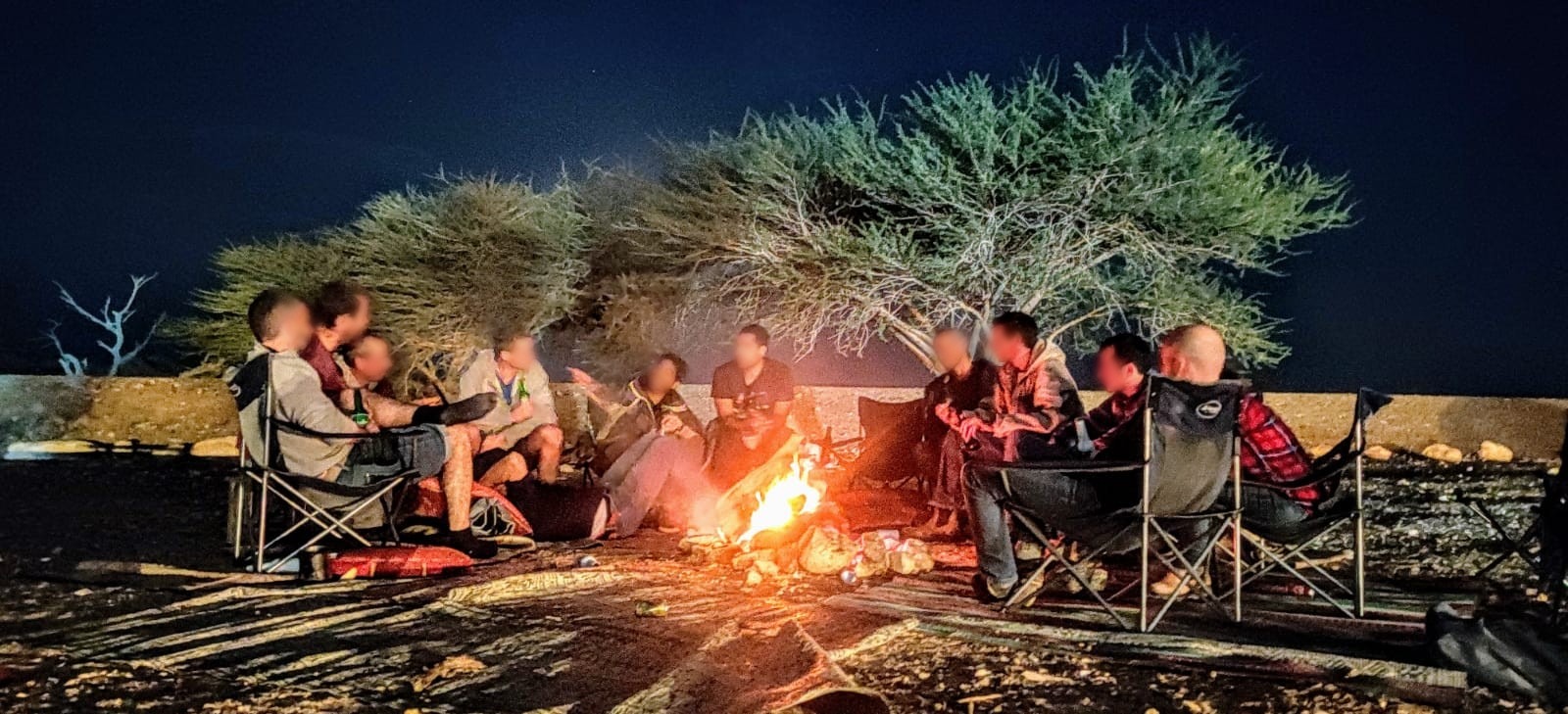
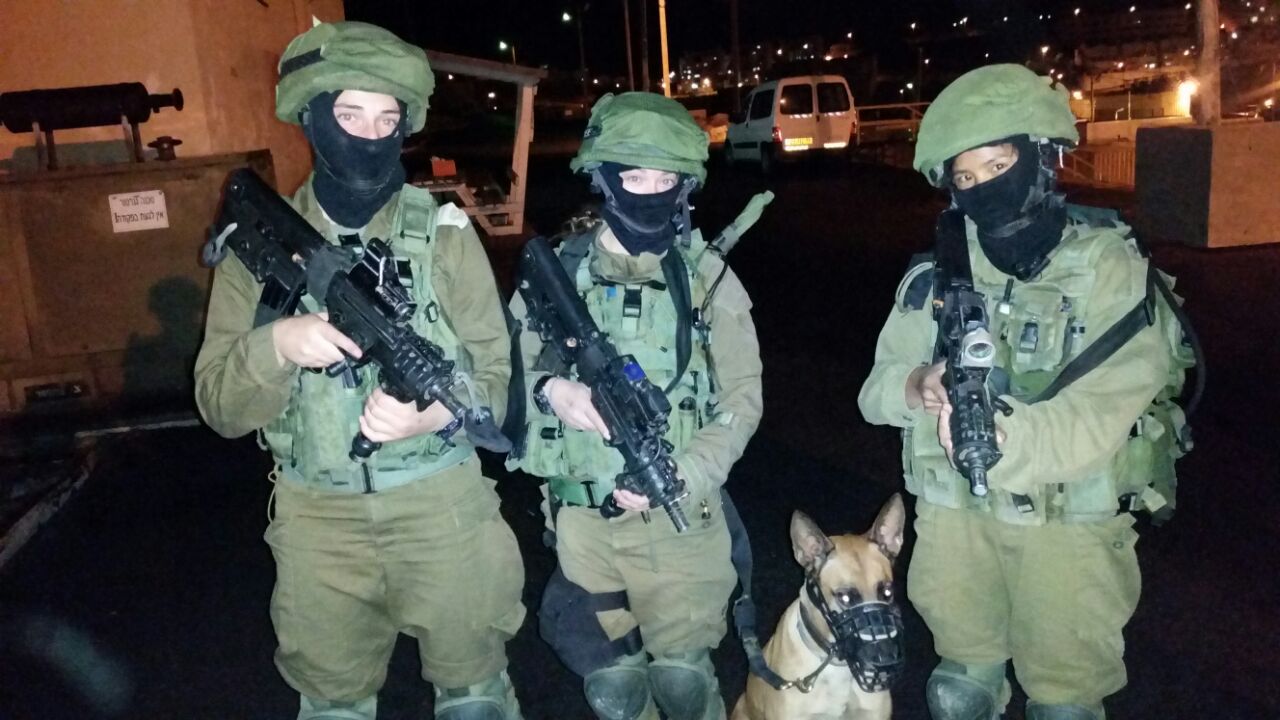
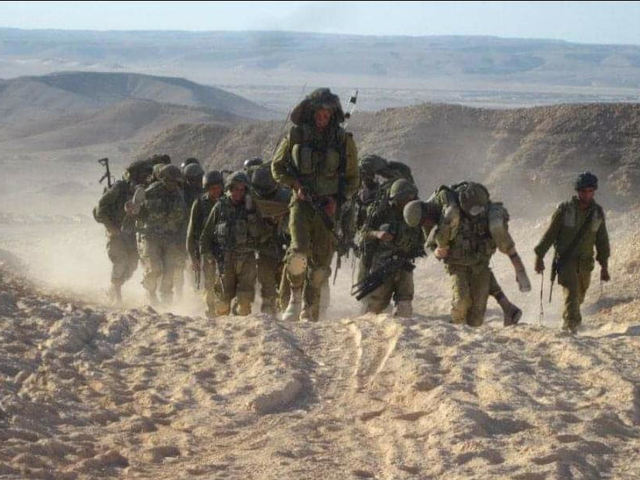
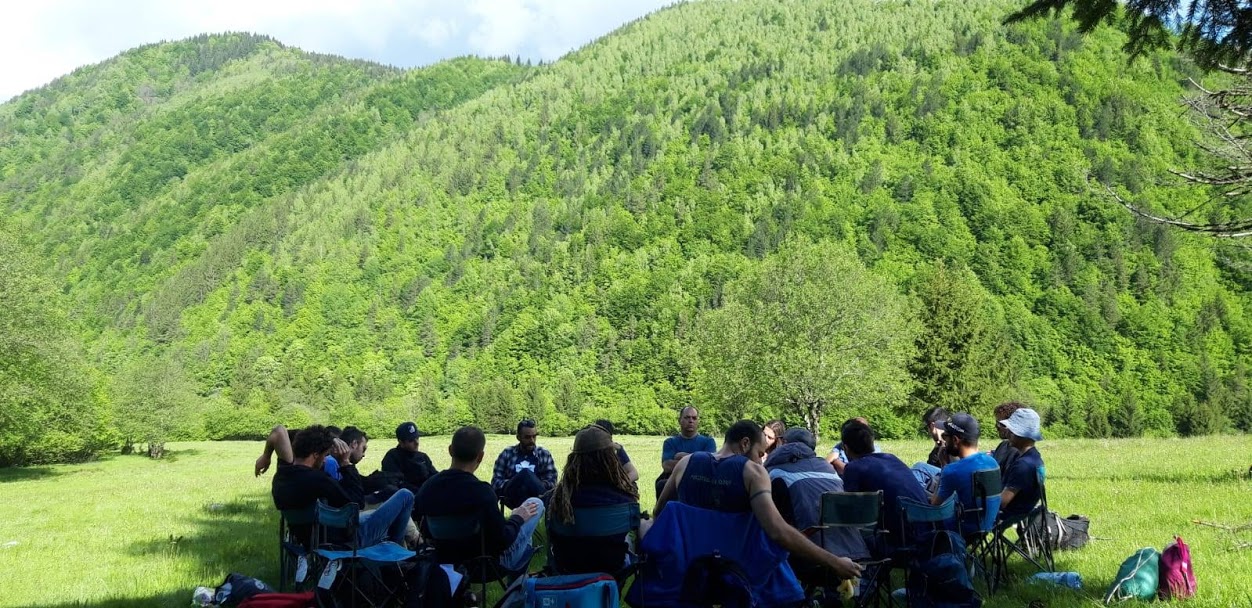
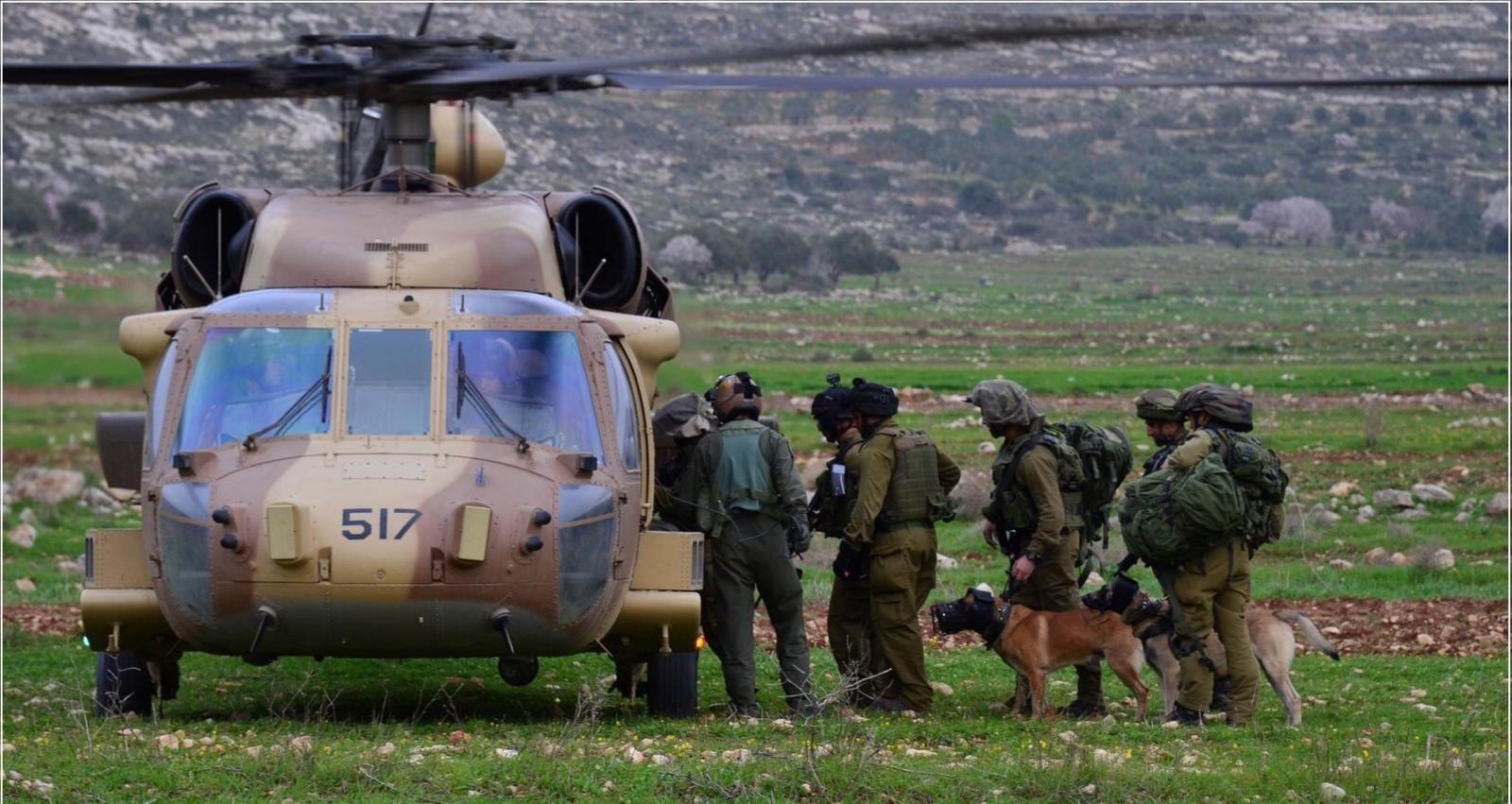
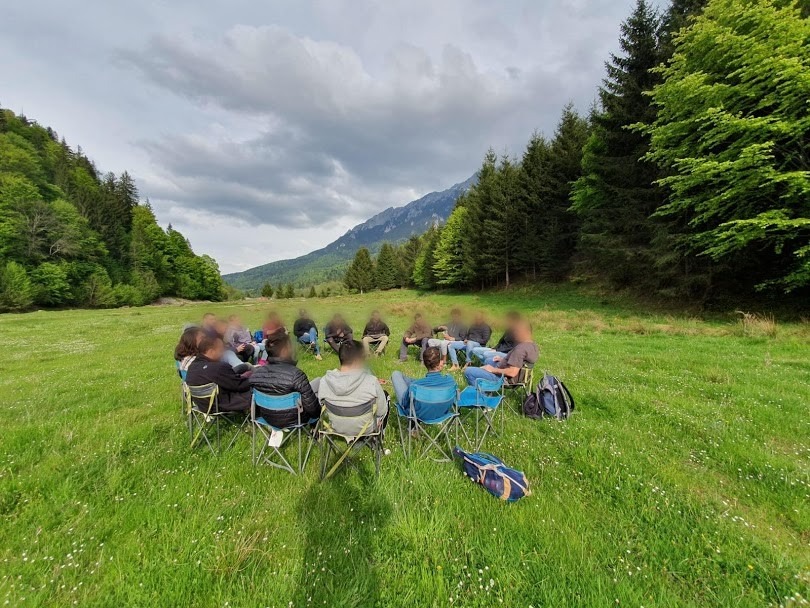
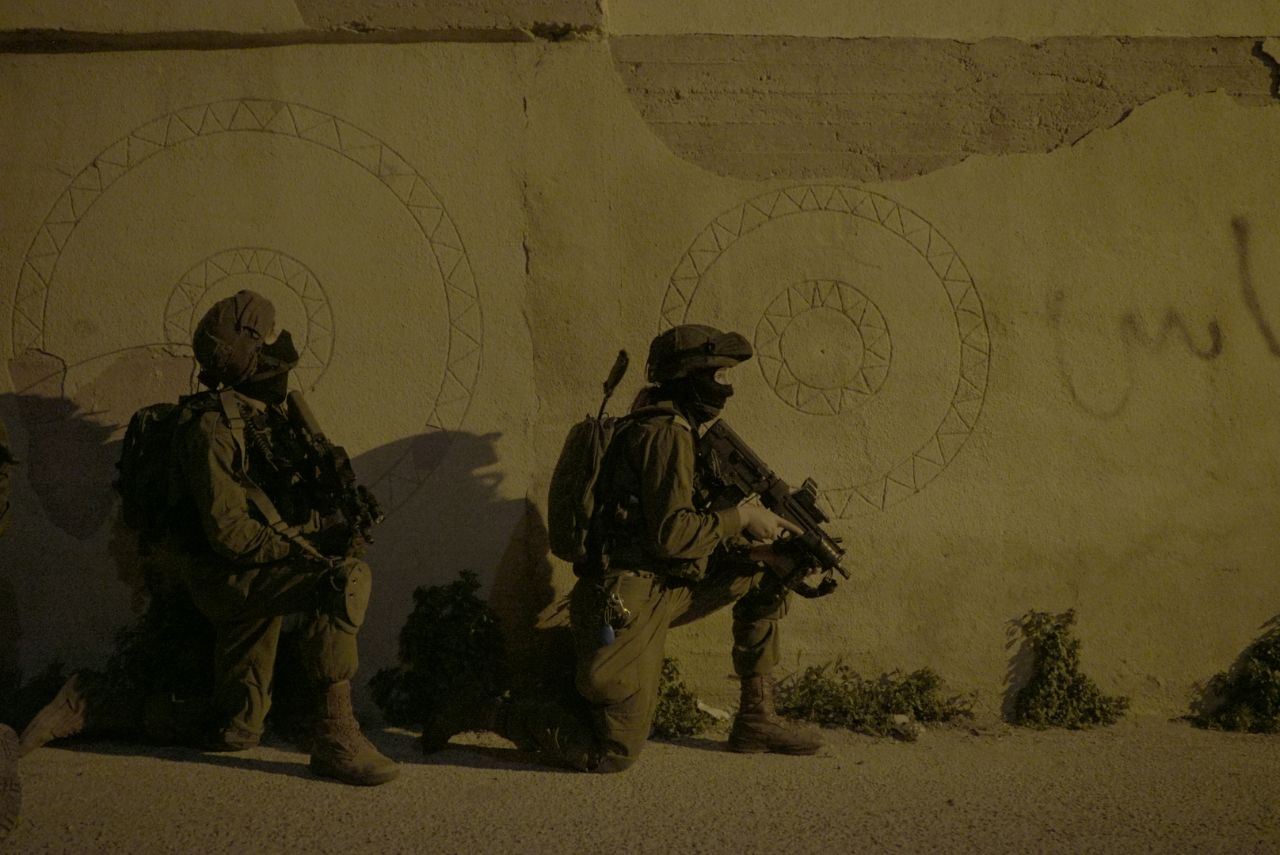
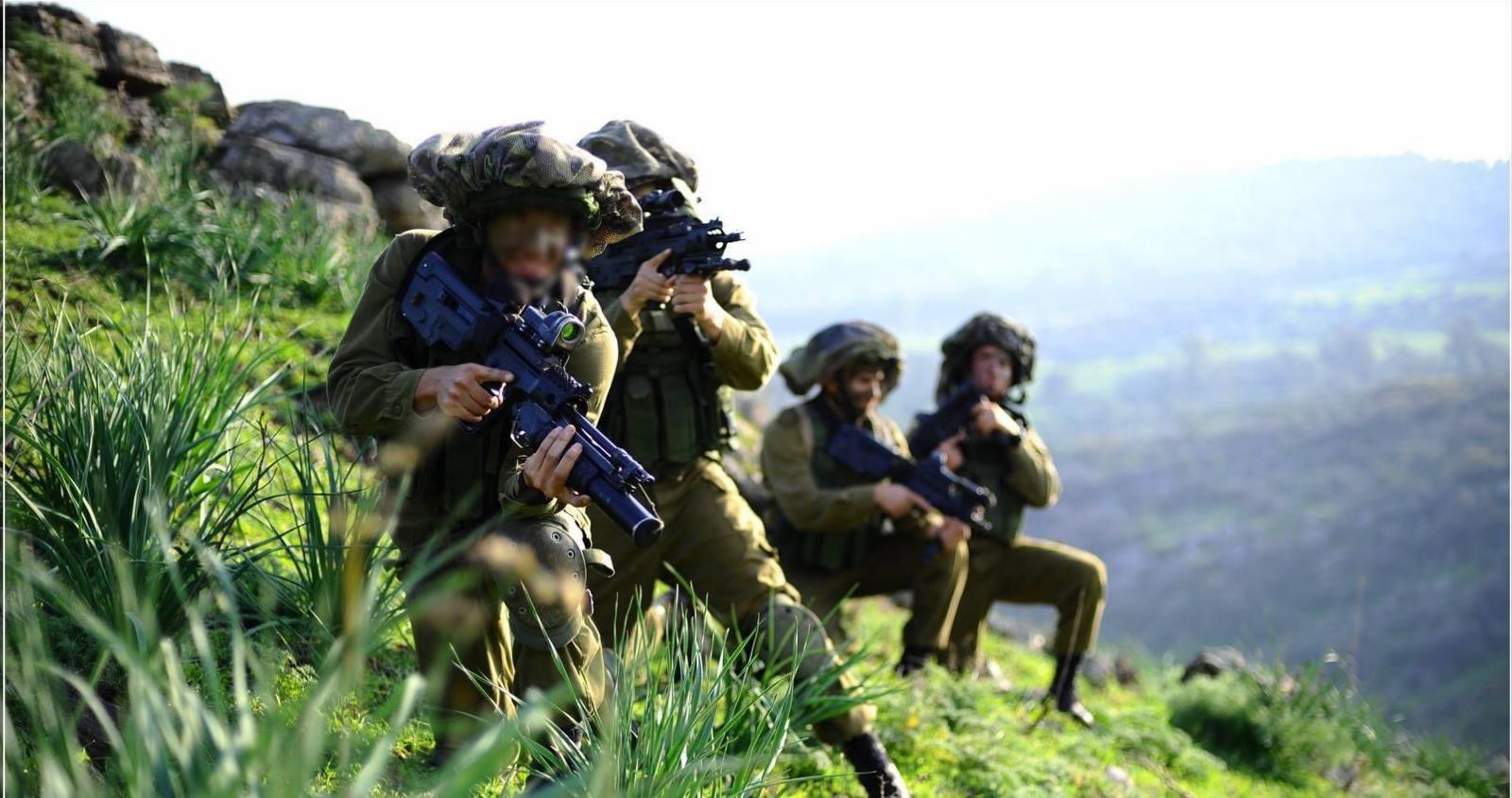
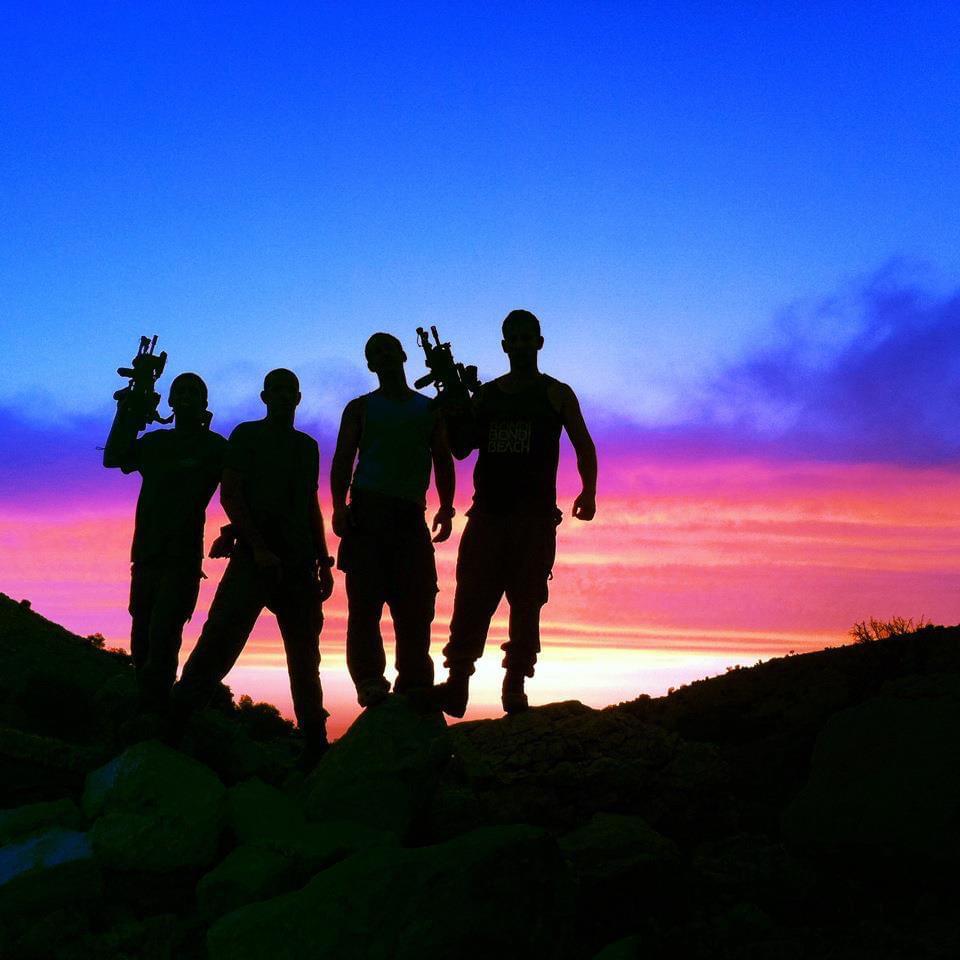
$90,000 from GGC Members with 1:0.5 Matching challenge grant will enable the launch of a new model of assistance to IDF combat women veterans. Until now the focus has been on male veterans and mixed groups. Our request would fund 105 women – 15 participants in seven homogenous groups.
About the Project
The transition from combat routine to civilian life is oftentimes jarring and harsh. Many bear invisible psychological wounds which negatively impact their lives long after they have been discharged. Findings indicate more than 16% of IDF soldiers who took part in Israel’s wars suffer from unprocessed trauma as a result of their exposure to life-threatening events. Currently there are 4,500 veterans officially recognized by the Ministry of Defense for whom the diagnosis of PTSD is chronic.
There is a significant gap in assistance to female veterans who make up 18% of the IDF’s combat force, but fall between the cracks and do not receive adequate treatment from the military, the Ministry of Defense or the health services. The IDF female combatant population serves mainly in the Israel Border Police Unit and Infantry Brigade. Their contribution has often been marginalized and their difficulties overlooked.
B’shvil Hamachar will harness its years of success treating IDF veterans for combat-related trauma through its well-established ‘Journeys for Tomorrow’ program for female IDF veterans. B’shvil has integrated female veteran soldiers with men in the past, but women combat veterans deserve a customized program to fully address their mental and emotional needs to reduce post-traumatic symptoms and strengthen mental resilience. With a group of peers who have had similar experiences, former women combat soldiers can allow themselves to let down their defenses, mobilize resources from within and from those around them, and learn new techniques. For many, the setting and the process ease their symptoms and the obstacles with which they contend; for others, it creates a path to healing and growth by realizing and acting upon the need to seek more intense treatment so they are better able to work, engage with family, focus on their studies and enjoy social situations.
Each journey is comprised of four stages:
- Personal interviews with each participant are conducted to gain mutual acquaintance and an initial mapping of the group members and their needs. The interviews are conducted by B’shvil professionals.
- A two-day group session is held mostly in nature to draw up a “group-contract” that includes “clauses” relating to discretion, abstaining from judgment and mutual acceptance.
- An eight-day journey in nature where activities are conducted.
- A two-day group session two-months after the journey to discuss the experience and identify further participant needs. An additional meeting takes place six-months later for further support.
The Need
The transition from combat routine to civilian life is oftentimes jarring and harsh. Many bear invisible psychological wounds, which negatively impact their lives long after they have been discharged.
B’shvil seeks to conduct seven all-female ‘Journeys for Tomorrow.’ Each journey is built for 15 soldiers intentionally small to ensure intimacy and comfort for all participants. B’shvil also seeks resources to provide additional services to these participants post-program should there be a need.
However, PTSD diagnosis has been criticized for falling short of capturing the depth of the post-traumatic experience (Stein et al., 2016). Many studies have shown that exposure to combat conditions leaves various effects on those taking part in it, which are not necessarily manifested as PTSD, but as symptoms that are below the clinical range. Many effects are seen in areas of life such as depression, anxiety, difficulty in social functioning, domestic violence, consumption of addictive substances, sleep disorders, sexual dysfunction, dissociation and more. (Costanzo et al., 2016; Harik et al. 2017; Fultona et al. 2015). The situation described is known as ‘Subthreshold Post-traumatic Stress Disorder’ (ST PTSD) which is widely defined as having PTSD symptoms below the threshold for diagnosis. Therefore, the actual number of IDF ex-combatants who suffer from PTSD and ST-PTSD is much higher than the formal and known statistics. These veterans develop, over time, complex mental health problems that are not necessarily recognized as legitimate by their surroundings (Franklina et al. 2018; Zlotnick et al., 2002).
Program Evaluation
B’shvil has many years of professional and operational experience in conducting this program. The organization’s ambition is to constantly improve in the response it gives and regularly update its professional ability. Therefore, B’shvil conducts ongoing research on its own activities by handing out academic questionnaires to the participants. The results reflect many successful outcomes attained by participants: reduced post-trauma symptoms; gained confidence; an improved ability to open up to and help others; the ability to focus, relax and overcome fears; recaptured feelings of normalcy and a positive outlook on life; and a strengthened self-image.
The outcomes are measured by the following academic questionnaires: PCL-5-Post Traumatic Symptoms, MSPSS-Perceived Social Support, PGI- Post Traumatic Growth and dimensions of resilience, BSI- Brief Symptom Inventory. The questionnaires are regularly distributed during journeys at three points in time in order to compare the variables examined before and after participation in the program to enable us to evaluate improvement: 1. In the pre-journey opening session 2. In the closing session after the journey 3. Six months later at a follow-up session. In addition, participants are asked about seeking psychological treatment.
Project Goals/Objectives
To enable 105 women IDF veterans to regain a peaceful daily life as functioning members of Israeli society.
Projected Budget
| Expenses | USD |
| Salaries Coordinator- recruitment and execution | 24,242 |
| Therapeutic Journey accommodations & logistics | 85,909 |
| Travel to journey- flights and in country for all participants and staff | 31,818 |
| Pre/Post Journey therapy | 12,727 |
| Administration & general operation | 19,337 |
| Contingency 5% | 7,735 |
| Total Expenses | $181,768 |
| Income | |
| Government/Municipalities | 10,000 |
| Israel-based Foundations/Donors | 36,768 |
| Overseas fund Matching Challenge 50% | 45,000 |
| GGC Request | 90,000 |
| Total Income | $181,768 |
| * Budget is based on seven journeys with 15 participants in each journey. |
Project Impact
- Reduction in post-traumatic symptoms and strengthening mental resilience among 105 participating IDF women veterans , helping them regain the ability for positive and constructive engagement in every aspect of their lives.
- Improvement in the lives of the thousands surrounding theses veterans including spouses and children, parents and siblings, co-workers, and more.
- Contribute to the well-being of Israel’s economy by addressing these critical needs of veterans, for which the State allocates an estimated $1,708,888 each year (see ‘Social Finance Israel’ study on B’shvil’s activity in 2021).
At the heart of B’shvil HaMachar is the underlying and proven assertion that this structured and therapeutic journey helps vulnerable veterans, who are of significant number in the Israeli population, to regain the ability for positive and constructive engagement in almost every aspect of their lives.
Constantly seeking to improve its services, B’shvil conducts ongoing evaluations of its activities with participant surveys before, during and after the journey which measure PCL-5-Post Traumatic Symptoms, MSPSS-Perceived Social Support, PGI- Post Traumatic Growth and dimensions of resilience, BSI- Brief Symptom Inventory. The results demonstrate:
- Reduced post-trauma symptoms
- Increased confidence and strengthened self-image
- Improved ability to open up and help others as well as to focus, relax, and overcome fears
- Renewed sense of normalcy and more positive outlook on life
Ariel, a member of ‘Paz team’ and the IDF’s Paratroopers’ Division “For too long we have been walking around in the dark, keeping things bottled up inside and letting the wound fester from within, robbing us of our inner strength and resources. It’s time to stand up to our fears and look them straight in the eye. So, my team members turned to an amazing organization called “Path to Tomorrow”, a non-profit organization that is all about giving, and whose mission it is to genuinely help. They’re amazing people who volunteer and I would even go as far as to say they are lifesavers.”
- Attachment of academic research – bibliography
Organization Mission
To assist IDF veterans return to normal life patterns through support-group activities, helping participants regain the ability for positive and constructive engagement in almost every aspect of their lives.
Video showcasing the work in action
Recommendation letters by leading IDF personnel <Letter 1> <Letter 2>
Tags
Health | IDF | IDF- Serving our Nation | ISRAEL | Mental Health | Mental Health | New Model | People with Disabilities | Project Targeted | Seed Funding | Women | Women at Risk
Leadership
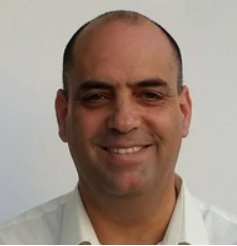
Tomer Freibach
CEO
The association’s CEO. Tomer manages B’shvil HaMachar’s programs and is responsible for all aspects of the organization’s activities. Tomer is in his 50’s, has a Bachelor’s degree in Behavioral Science from Ben-Gurion University, and a Master’s degree in the Department of Work Studies from the Faculty of Social Sciences at Tel Aviv University. Formerly he was director of organizational consulting teams at “Matrix Consulting”, one of the largest IT companies in Israel. In the army, he served as an officer in the rescue and evacuation unit of Air Force 669, and completed his service as the unit’s deputy commander with the rank of Major. Tomer has been a longtime volunteer in the association since 2010 and has been leading the organization as CEO since 2019.
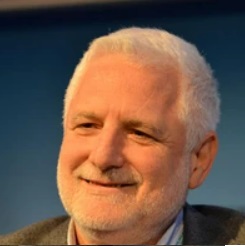
Dan Harel
Board Member
Retired general in the IDF and a former Deputy Chief of the General Staff. After his retirement, Harel served as the Director General of the Ministry of Defense, later on as the Director General of the Ministry of Transportation and Head of the Israel Railways Company. Harel is a prominent member of the board of directors and is the head of the Government Relations Committee of B’shvil Hamachar. Wikipedia
Doron Marom
COO
At B’shvil HaMachar since 2006. Doron holds a Bachelor’s degree in Psychology & Political Science, and a Master’s degree in Clinical Psychology & Organizational Behavior. Doron has many years of experience as a psychologist in a private practice and in non-profit organizations, working with individuals and families. In addition, he is a lecturer at Beit Berl College. Doron is responsible for all professional aspects of the association’s activities, in particular for the recruitment, training and activities of the facilitators of the programs and the support groups.
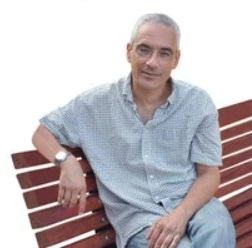
Shlomo Mandelovitz
Board Member
Psychiatrist and psychotherapist, Head Director of the ‘Shalvata Mental Health Center’, a lecturer and researcher in the psychotherapy program at the Faculty of Medicine at Tel Aviv University. Dr. Mandelovitz is an active member of the board and is the head of B’shvil Hamachar’s professional committee.
About Organization

B’shvil HaMachar (Path to Tomorrow)
Bshvil is an Israeli non-profit organization established in 2009 by Anat Samson-Joffe and Ilan Lior following the Second Lebanon War to help IDF veterans overcome the psychological effects of combat-related trauma. As a result of exposure to life-threatening events, soldiers who took part in Israel’s wars struggle with unprocessed trauma. The mental scars on these young adults develop over time into complex mental health problems, most notably post-traumatic stress disorder (PTSD).
Israel’s Ministry of Defense and Israel Defense Forces offer psychiatric treatment, but 90% of discharged soldiers do not seek treatment as some view the eligibility process lengthy and degrading, others do not pursue help due to perceived devaluation by peers and commanders, fear of stigmas, and a lack of knowledge about PTSD. As a result, many veterans are already deep in the vicious cycle of living with chronic symptoms by the time they seek treatment. Others carry on untreated, with their lives and those of them around them becoming increasingly difficult to bear. Over time, these veterans develop complex mental health problems, not necessarily recognized as legitimate by their surroundings.
Bshvil’s goal is to aid former combat soldiers overcome the psychological effects of combat-related trauma, and enable these veterans to regain a peaceful daily life as functioning members of Israeli society. Bshvil’s program achieves this aim through personal and emotional group journeys conducted in nature in Israel or abroad. Psychologists and professionals facilitate 12 days of group sessions over a period of several months. In this supportive environment, participants are able to share their traumatic memories and heal through a variety of methods that combine body, soul, and cognitive processing. The group offers the participants the ability to re-experience the trauma in a responsible, structured and corrective situation where they gain a sense of control and renew their belief in their own abilities.
There is a growing need for interventions among IDF veterans. In 2018, the IDF Personnel Division turned to Bshvil, where we trained reservists of the Department of Behavioral Sciences and the Department of Mental Health in the IDF to carry out the “Journeys for Tomorrow” program for combatants before their discharge from regular combat service. Thousands of combat soldiers participated in this program entitled ‘For the Future,’ since 2020. In 2022 and 2023, 7,500 soldiers have participated in this program each year, and have reported a restored sense of well-being and improved abilities for social connections and functioning.
A study conducted by ‘Social Finance Israel’ found that the future economic value of Bshvil activities in 2021 on the Israeli economy, government and veterans is estimated at $12,206,343 and growing following every Journey undertaken.
Activities are co-financed by the Ministry of Defense and donations from leading Israeli companies and private donors, as well as the participants themselves.
Impact Statements
To date, we have carried out journeys for some 185 IDF Military unit platoons, 3,500 veterans in all.
The majority of participants report a reduction in various symptoms of post-trauma, anxiety and depression. Bshvil conducts ongoing research regarding its own activities via academic questionnaires to the participants.
A study conducted by ‘Social Finance Israel’, found that the future economic value of B’shvil activities on the Israeli economy, the government and the veterans, which is expected from its activities in 2021, is estimated at $12,206,343 and growing following every journey undertaken.
Annual Organizational Budgets (total, with In-kind)
Year 2022 (projected) $1,615,000
Year 2023 (projected) $1,600,000
Contact us
-
Email:
tomerf@bshvil.org -
Phone:
972-507779850 -
Website:
https://www.bshvil.org/?lang=en -
Organization Number:
580512143 ISRAEL
Details
-
Employees 5
-
Volunteers 60
-
Year Founded 2009
-
Board Members 8
-
Annual Board Meetings 4
- Audit Committee
- External Auditor
Budgets
Budget 2022 (projected) $1,615,000
Budget 2023 (projected) $1,600,000
Recommendations
GGC Vetting Committee had no reservations
GGC on site visit performed
Israel
Certificate of Good Standing (Nihul Takin)
Certificate of Financial Accounting (Ishur Nihul Pinkasei Chesbonot)
Certificate of tax-deductibility at source (Ishur Nikui Mas;Makor)
46A Certificate – approved for tax refunds in Israel
Classification as non-profit organization (Sivug Malcar)
Non-standard articles of incorporation (Takanon Meuchad ; Bylaws equivalent)
Organization has a projected budget and work plan
Reference & Quality assurance
Large Institutional / Mega Donors
GGC Performed online research
Leadership background positive
Organization: considered one of best in class
Considered Efficient
Considered Impactful
Provided clear accountability
Outcomes: cost effective and high feasibility
* GGC is also discussing the organizations a need for diversity and giving levels of Board Members and staff, as well as develop a General Assembly.
Donation Info
Donate Via Cryptocurrency -Link
Tax Deductible in USA, CANADA, ISRAEL, AUSTRALIA
Contact GGC for more details on this project


Comments (0)